


HISTORY
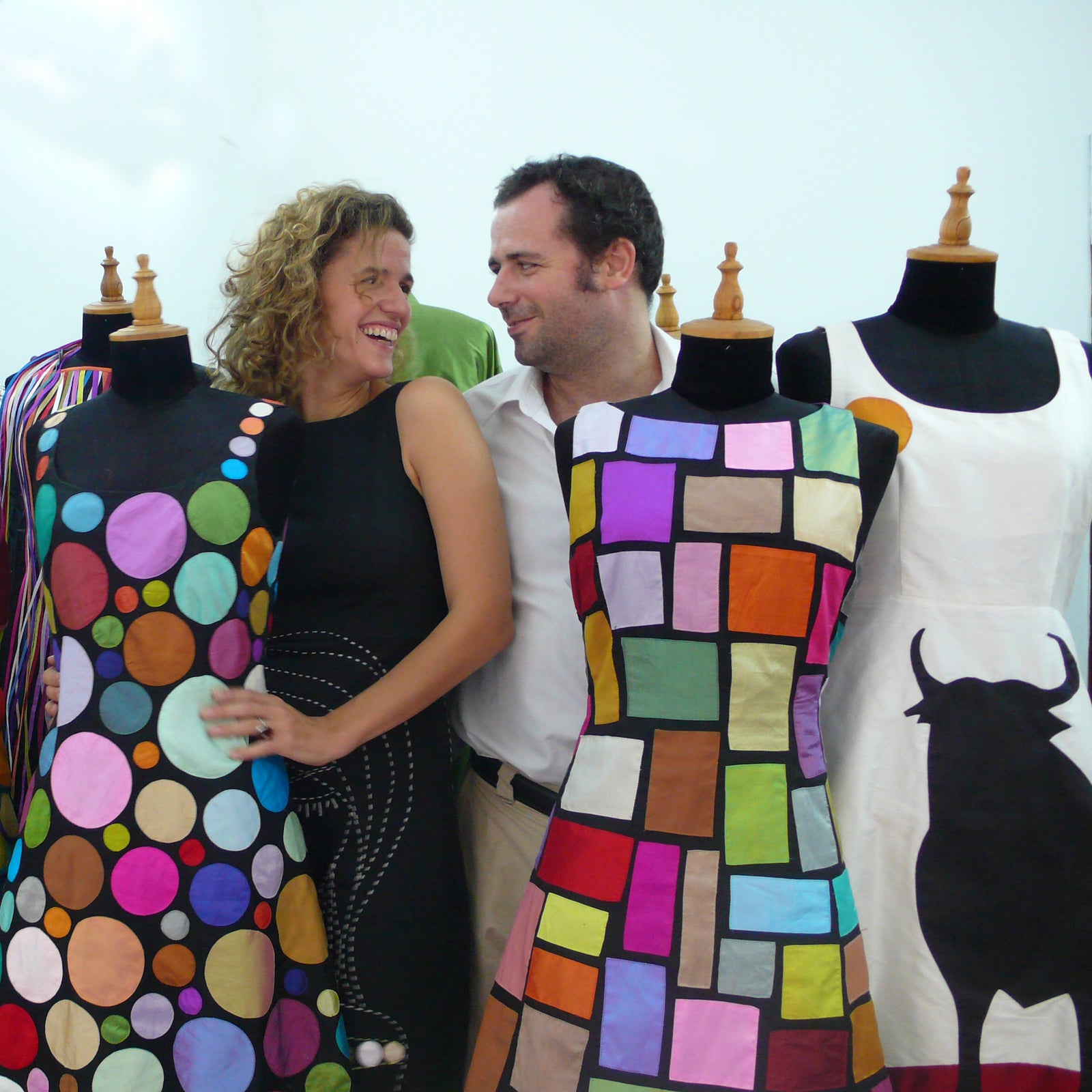
Founded in 2005 by Diego Cortizas and Laura Fontan Pardo. For two decades, Chula has worked at the meeting point of fashion, craft, and culture, in an atelier built around the communities that shape it.

HISTORY
Founded in 2005 by Diego Cortizas and Laura Fontan Pardo. For two decades, Chula has worked at the meeting point of fashion, craft, and culture, in an atelier built around the communities that shape it.
1994

They meet in Madrid, in their early twenties, through mutual friends. Diego is studying architecture, Laura political science. What they share, from the beginning, is a curiosity for cinema, photography, music, and for places neither of them has been. In the years that follow, they carry that curiosity across continents, from São Paulo to Bissau, from Rio de Janeiro to Lisbon. Without knowing it yet, they are already building Chula.
2003
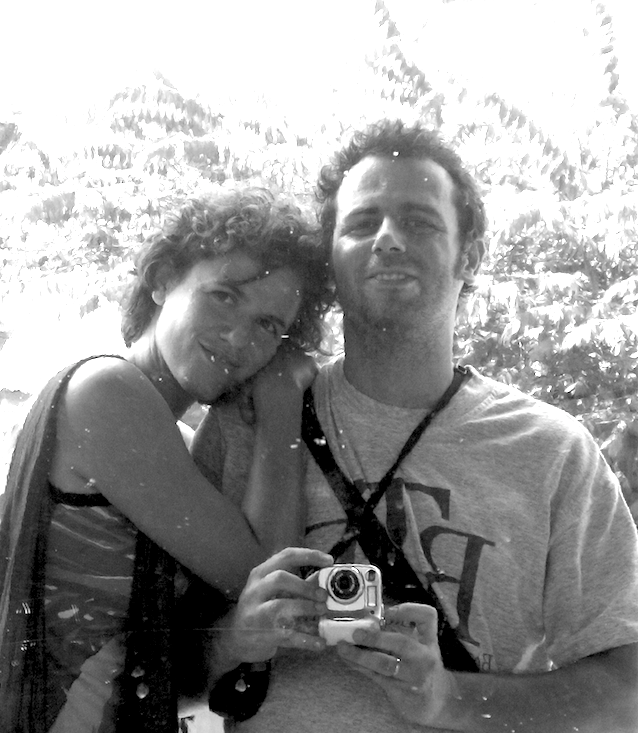
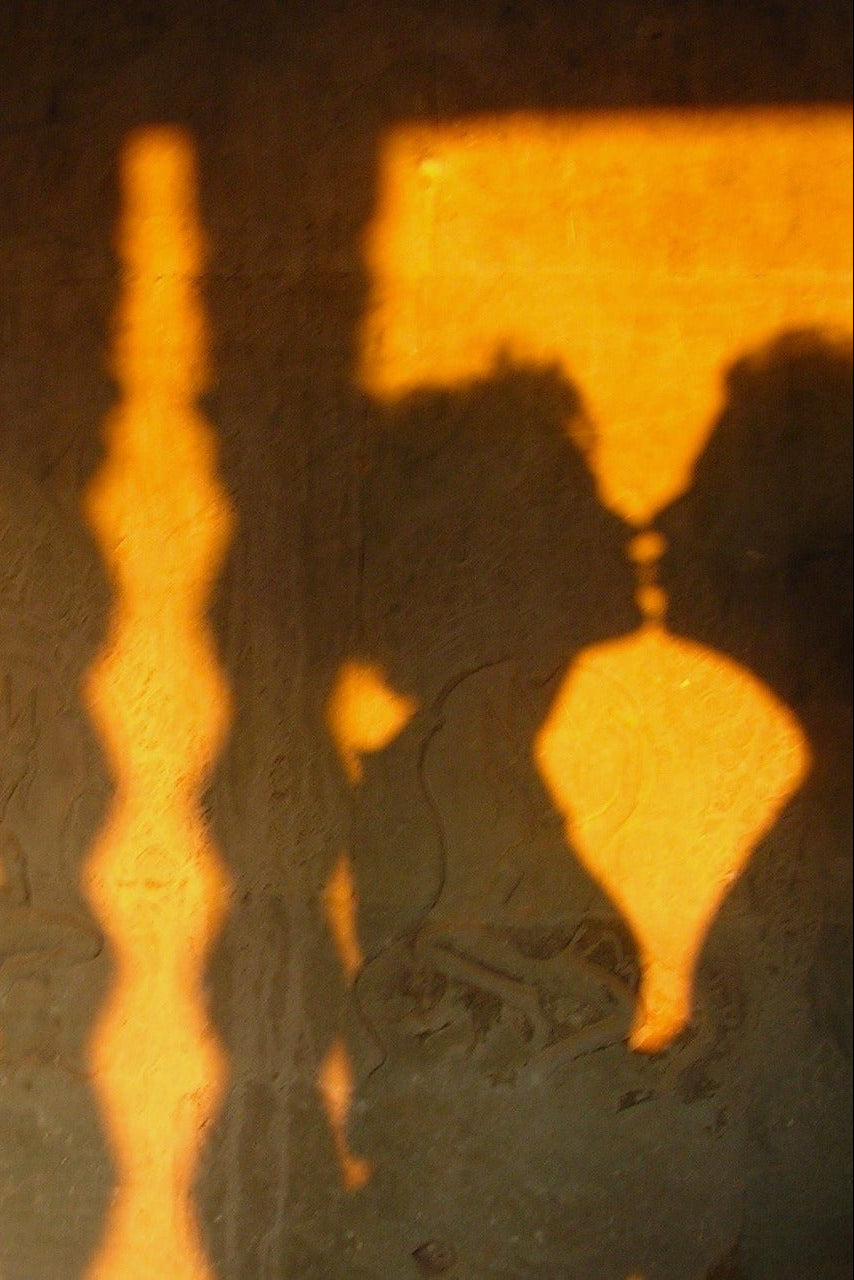
Newly married, Diego and Laura travel to Hanoi for the wedding of Laura's brother. They fall in love with the city almost at once, with its craft, its people, its food, its rhythm, the quiet harmony of a life lived close to the street. Within months, they quit their jobs in Spain and move to Hanoi.
In the years that follow, they travel across Southeast Asia, learning from the traditions of every place they pass through. In Hanoi, Diego begins working on restoration projects at an architecture firm. Laura begins producing clothing with local tailors for BUKA, a small label she has founded with her cousin.
2004


One evening, Laura asks Diego to paint a design on a blue skirt she is having tailored for a party. He returns with dozens of sketches, then more. Within a week, he has drawn over a hundred, lines, maps, faces, everyday objects, all carrying the humor and freedom that will come to define Chula..
2005
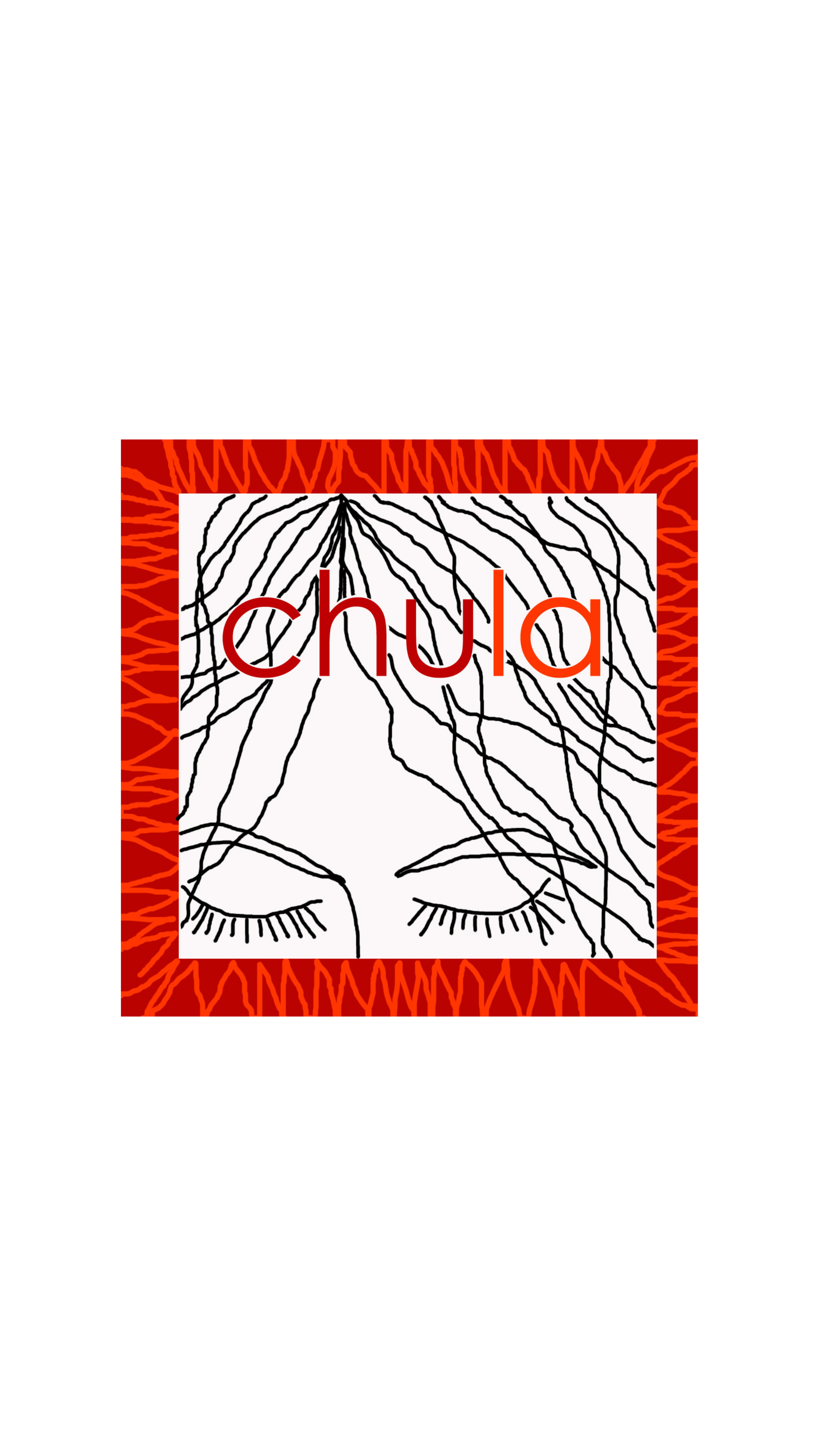
From the sketches and the small tailoring experiments, a fashion house begins to take shape. They call it Chula. The Spanish word sits somewhere between cool, beautiful, and confident, and can describe both a person and an object. It felt like the only name.
The logo comes from an early skirt, a woman drawn in simple lines: wavy hair, a beauty mark, unmistakably Laura.


The first Chula skirts appear at Ipa-Nema, a small concept store in the Old Quarter of Hanoi founded by Cristina Yu, known then for its original handbags and wallets. It is where Chula finds its first customers.
2006


As demand grows, Diego and Laura open a workshop in their home. They want the tailors close: at the table, in the sketches, part of the making from the beginning. A friend introduces them to Hoa Sua, a Vietnamese organisation that trains people with disabilities for skilled work. Duong is the first artisan to join. Deaf and non-verbal, she is still with Chula today.
2007


Chula launches its first collection incorporating textiles from Vietnam’s Mông, Thái and Cơ Tu communities. As one of the early fashion brands to bring these traditional textiles into contemporary design, Chula helped pave the way for their wider presence in modern fashion. By celebrating and reinterpreting this rich heritage, the brand helped keep these traditions visible and alive. Over time, this cultural inspiration became one of Chula’s defining signatures.
2008


They move into a postmodernist house in Au Co, in front of the West Lake, an area that was considered the outskirts of Hanoi, and was very rural. This becomes known as The Chula House, and will remain their main base, a multifaceted, irregular space that serves as their house, workshop, store and a meeting point for artists, creatives and friends.


The same year, Chula launches one of its most iconic collections, the World Collection, inspired by Diego and Laura’s travels and their fascination with the buildings, flags, colours and cultures they encountered around the globe. They present it on the runway at the Fine Arts Museum of Hanoi. It’s also the year when they create their first Áo Dài, taking Vietnam’s traditional garment and reimagining it in an untraditional way, with the boldness, creativity and unmistakable spirit of Chula.
Since then, the Áo Dài becomes a signature garment of the brand, appearing throughout all Chula’s collections. Two decades later, as the Áo Dài continues to evolve in new forms and styles, Chula’s early reinterpretations remain part of its story.
2009
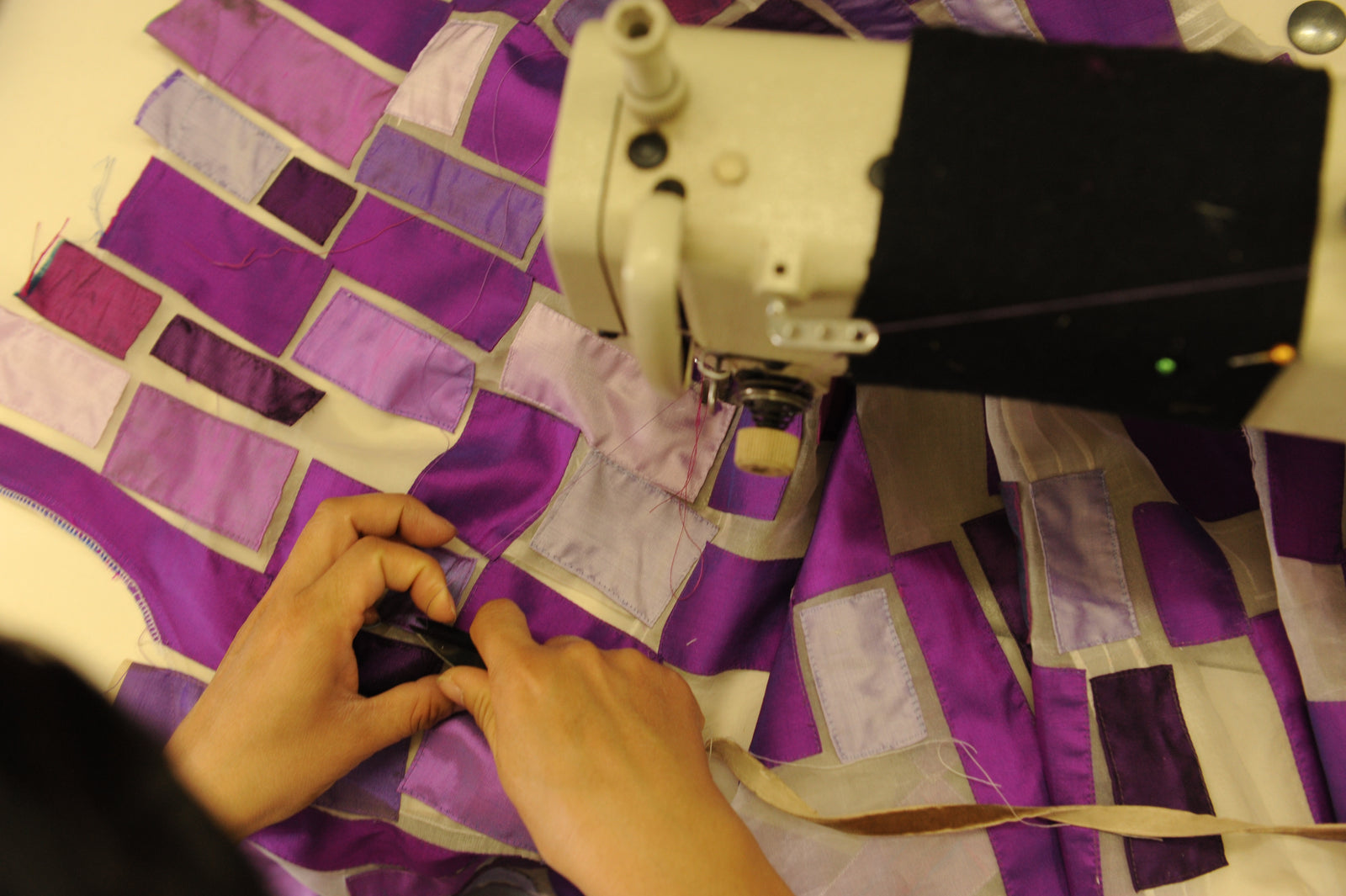
Chula team grows by 50% and improved workshop - They extend the workshop space into the other house?? neighbours, explain al of the family- start to develop things such as embroider and etc etc - ask Mom, important, new tecnqiues - Image of Chula Team and Workshop.
2010

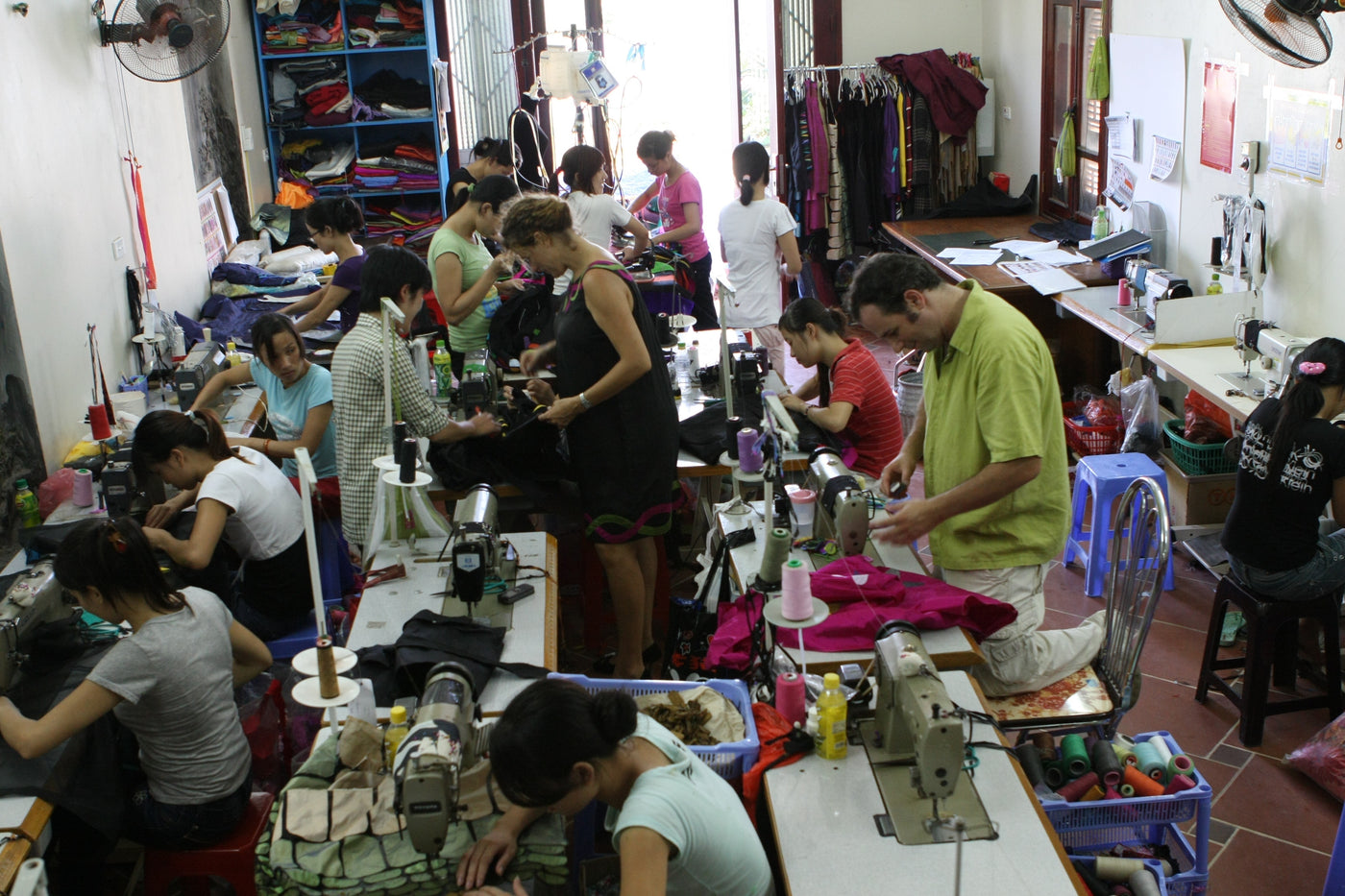
As Chula grows, so does its staff. The team expands by 50%, and the workshop grows with it, extending into the neighbouring house and creating more space for the people and processes behind each piece. This is when Chula begins to develop new techniques and expand its craft, with embroidery and xxx becoming an increasingly important part of its creative language.
The collections also begin to travel beyond Vietnam and get to new audiences through early pop-ups in Hong Kong and Singapore.

Miguel Trillo’s series “Gigasiapolis - A Portrait of Asian YouthCulture in Asian Megatropolis” that took place in Chula in 2010.This was part of Chula’s strong cultural program in the 2010’s, which often invited foreign artists to exhibit in Vietnam- Poster of Uyen Ly
2011

In 2011, Chula is invited to participate for the first time in Vietnam Fashion Week, where it presents its Animal Collection. From then on, it becomes a regular presence on the Vietnamese fashion calendar, as the only foreign-founders fashion brand to participate in every Vietnamese Fashion Week since 2011.


Silk has been part of Vietnam’s textile heritage for centuries, and at Chula it becomes a canvas for artistic expression. In 2011, Chula begins incorporating hand-painted silk into its collections, adding another dimension to its approach to wearable art. The technique becomes part of Chula’s craft repertoire and continues to this day.
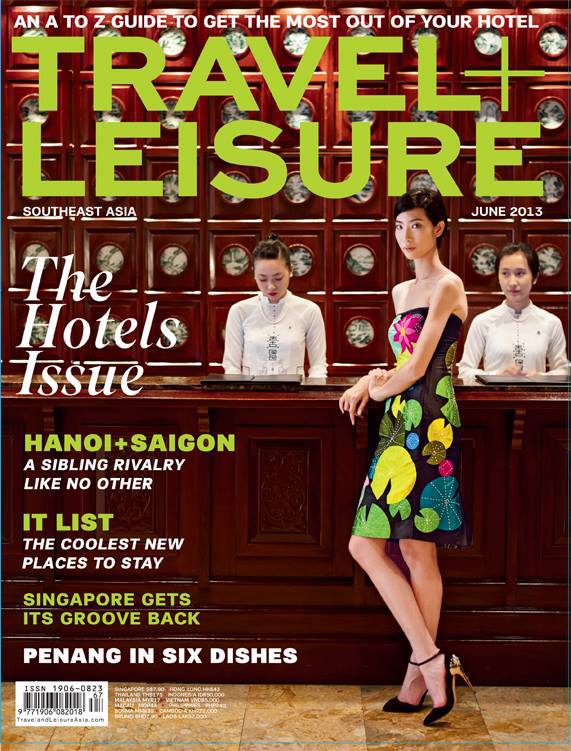
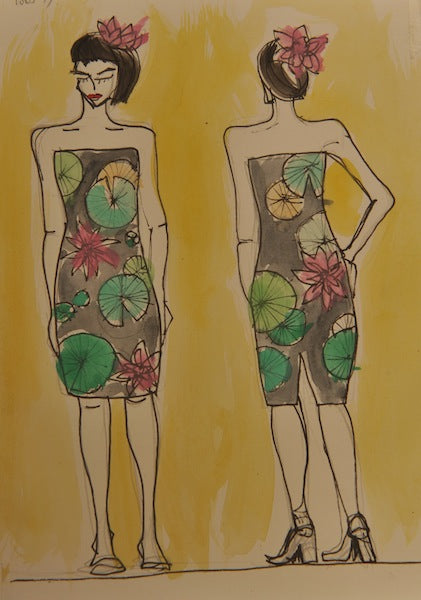
Chula’s cultural and artistic spirit also extends beyond its collections. In [month], Diego and Laura organise the first Chula Arts Night, bringing different creative disciplines together. The first edition features works by [ARTIST(S)] and a performance by [MUSICIAN(S)], celebrating the dialogue between visual art, music and fashion that has always been at the heart of Chula.
2012
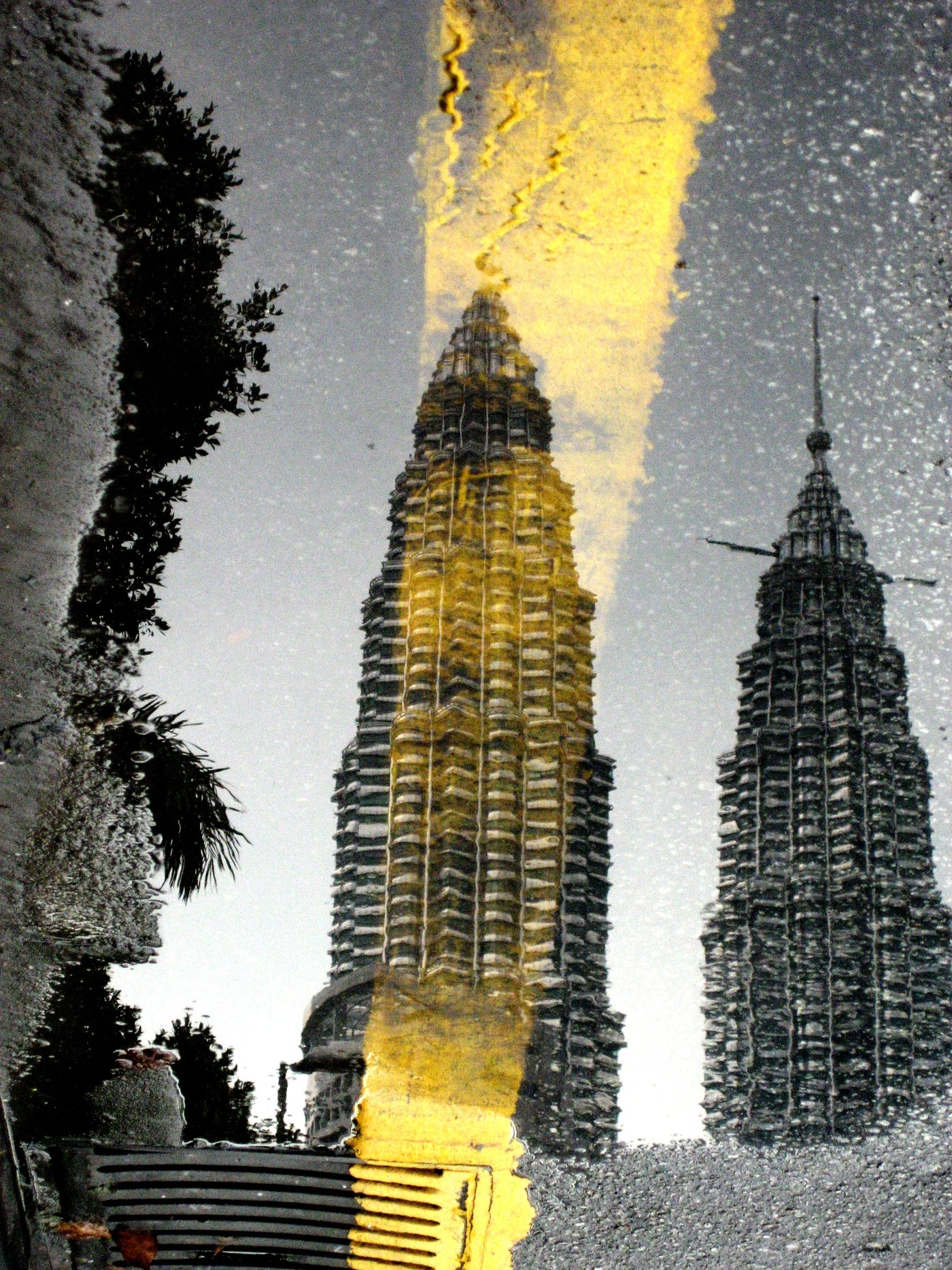
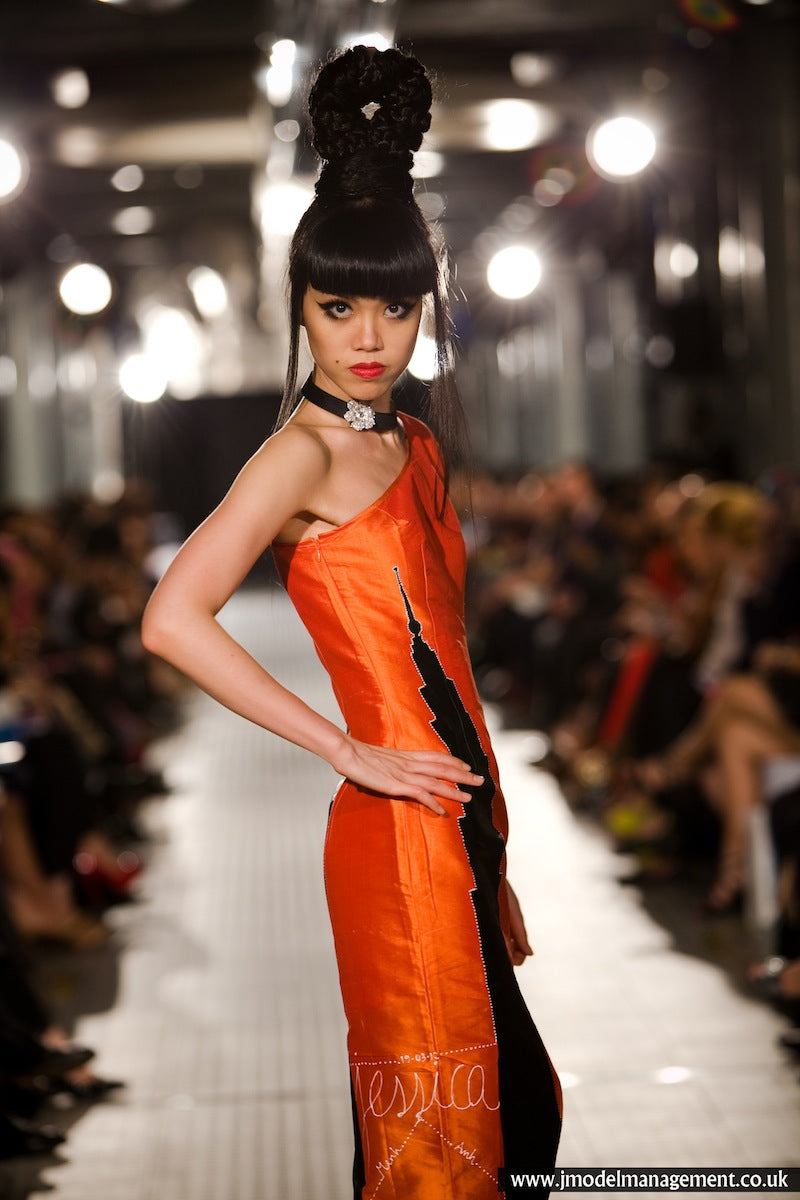
Chula takes its fashion beyond the traditional runway, presenting two shows in striking settings: along the corridor connecting the Petronas Towers in Kuala Lumpur and aboard a boat on the Seine in Paris. With his background in architecture, Diego Cortizas sees fashion not only through the clothes, but also through the spaces and structures that surround them. The iconic landmarks and urban settings become part of the experience, creating a dialogue between Chula’s designs and the places in which they are presented.
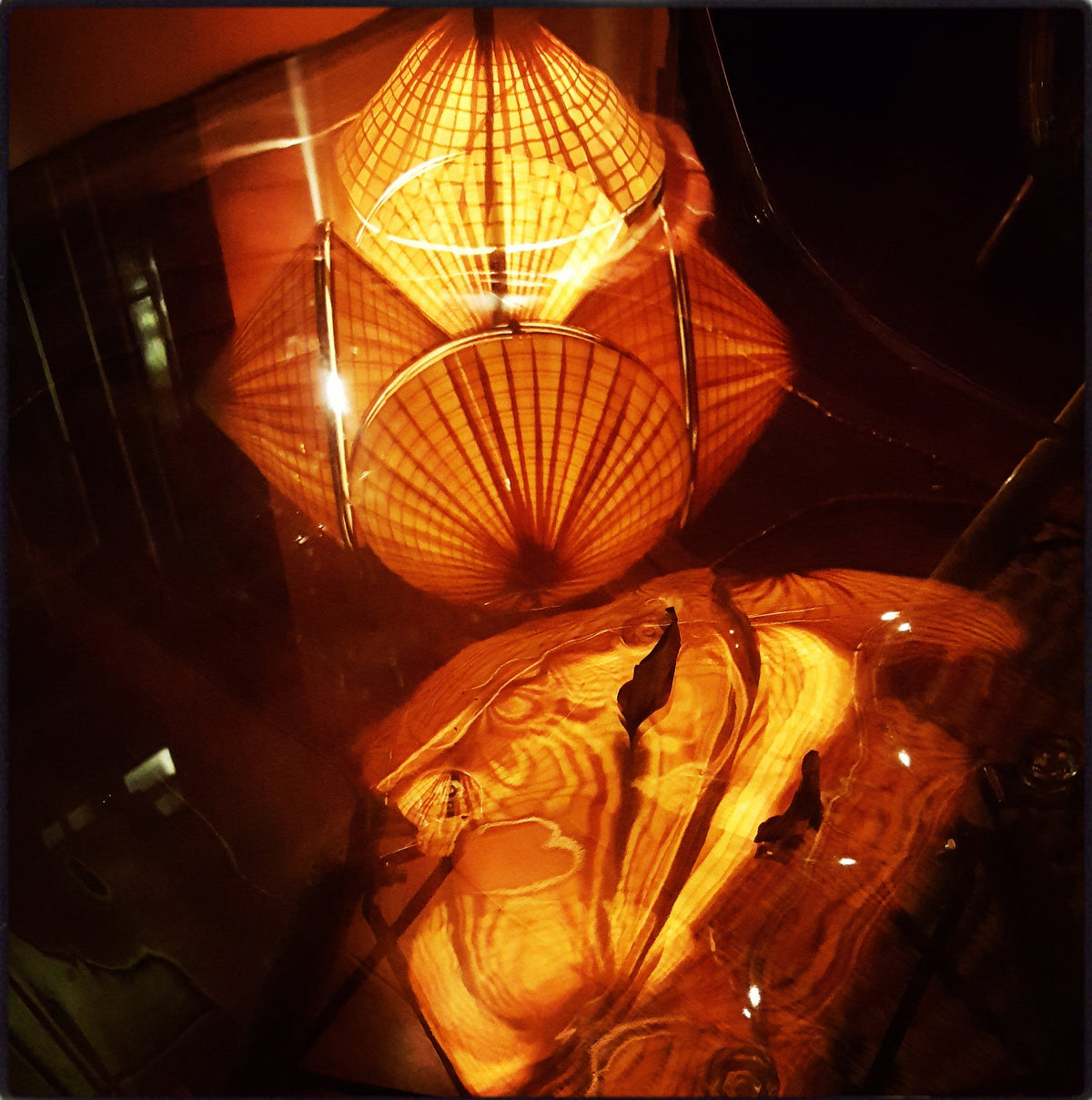


Diego also begins exploring object design, extending the same creative spirit beyond clothing. Drawing inspiration from Vietnam’s everyday life and traditional crafts, he creates lamps using familiar elements such as the iconic Vietnamese hats nón lá, transforming them into unexpected forms.
2013
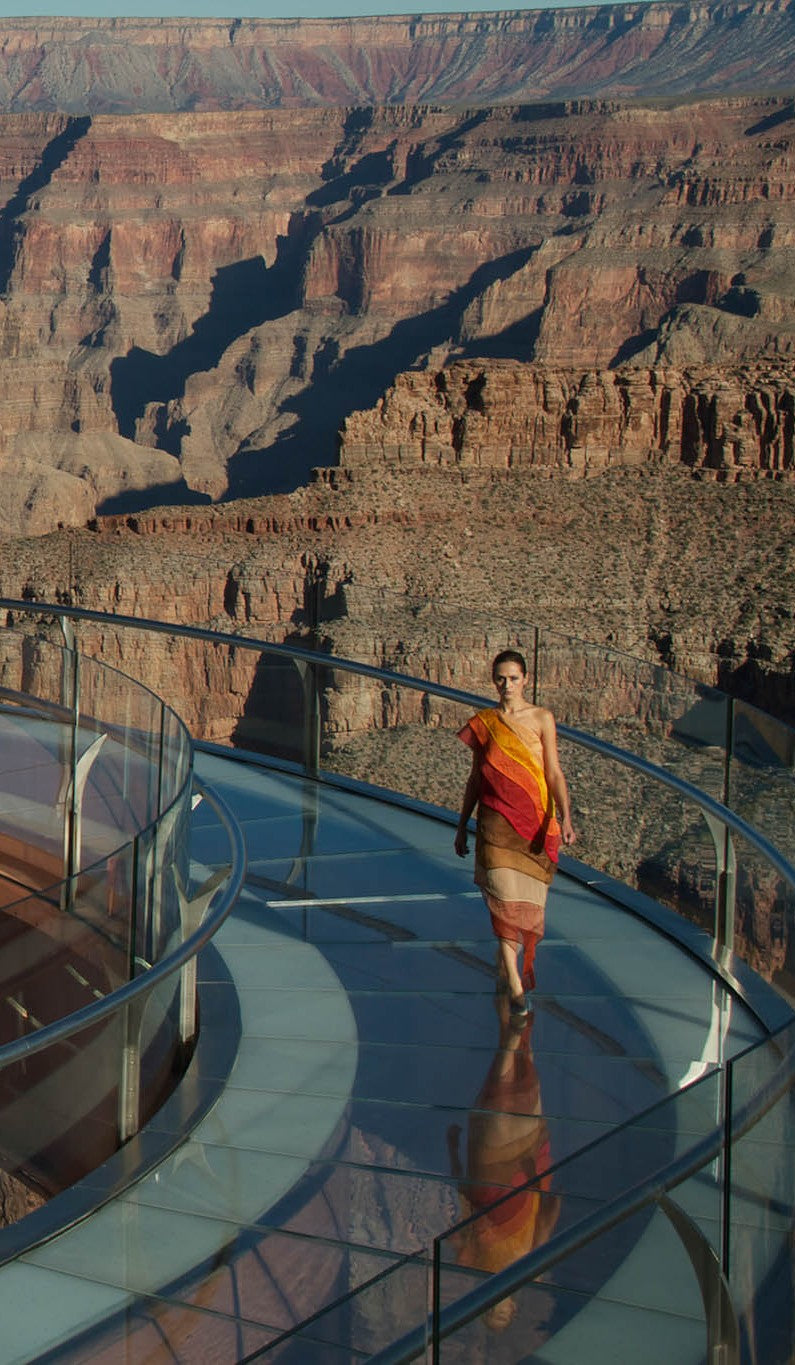

Chula takes part in the world’s highest fashion runway, suspended 1,219 metres above the Grand Canyon. Models walk along the horseshoe-shaped glass bridge, creating the illusion of floating above the vastness of the canyon.
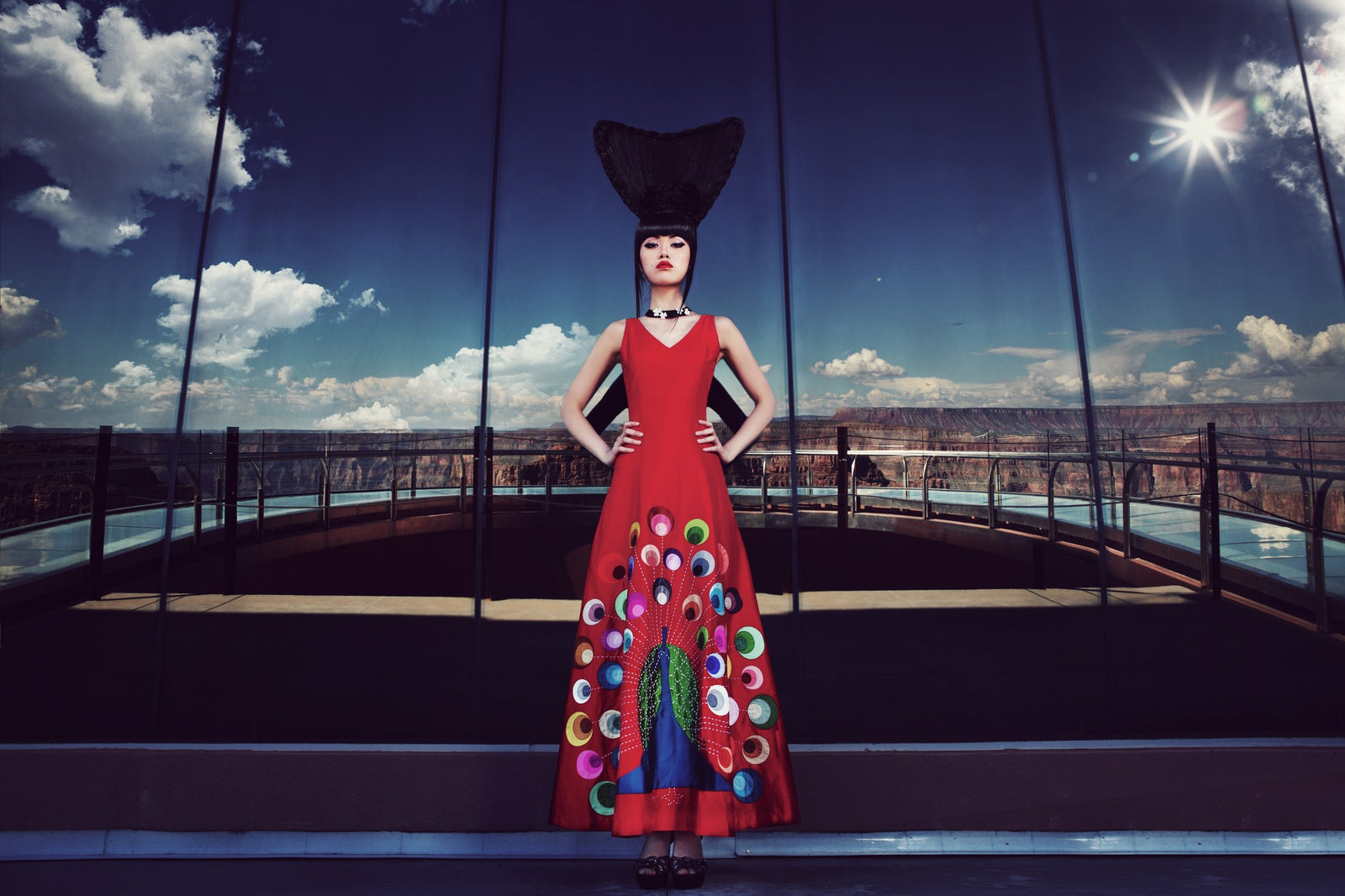
Grand Canyon Sky Walk, 2013
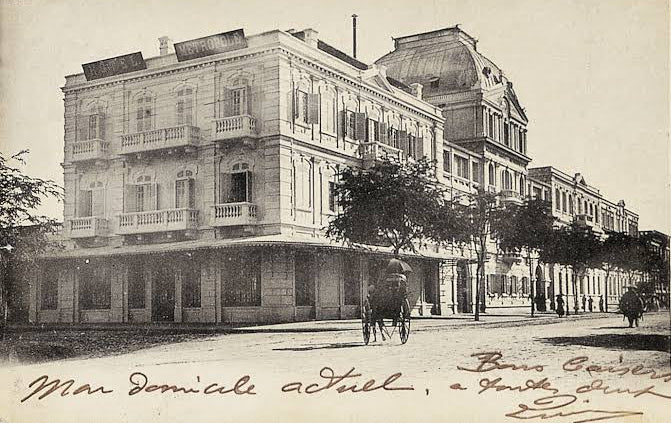
Chula also begins selling at one of Hanoi’s most iconic hotels, the historic Hotel Metropole Hanoi in the Old Quarter, bringing its distinctive designs to one of the city’s most celebrated addresses.
2014
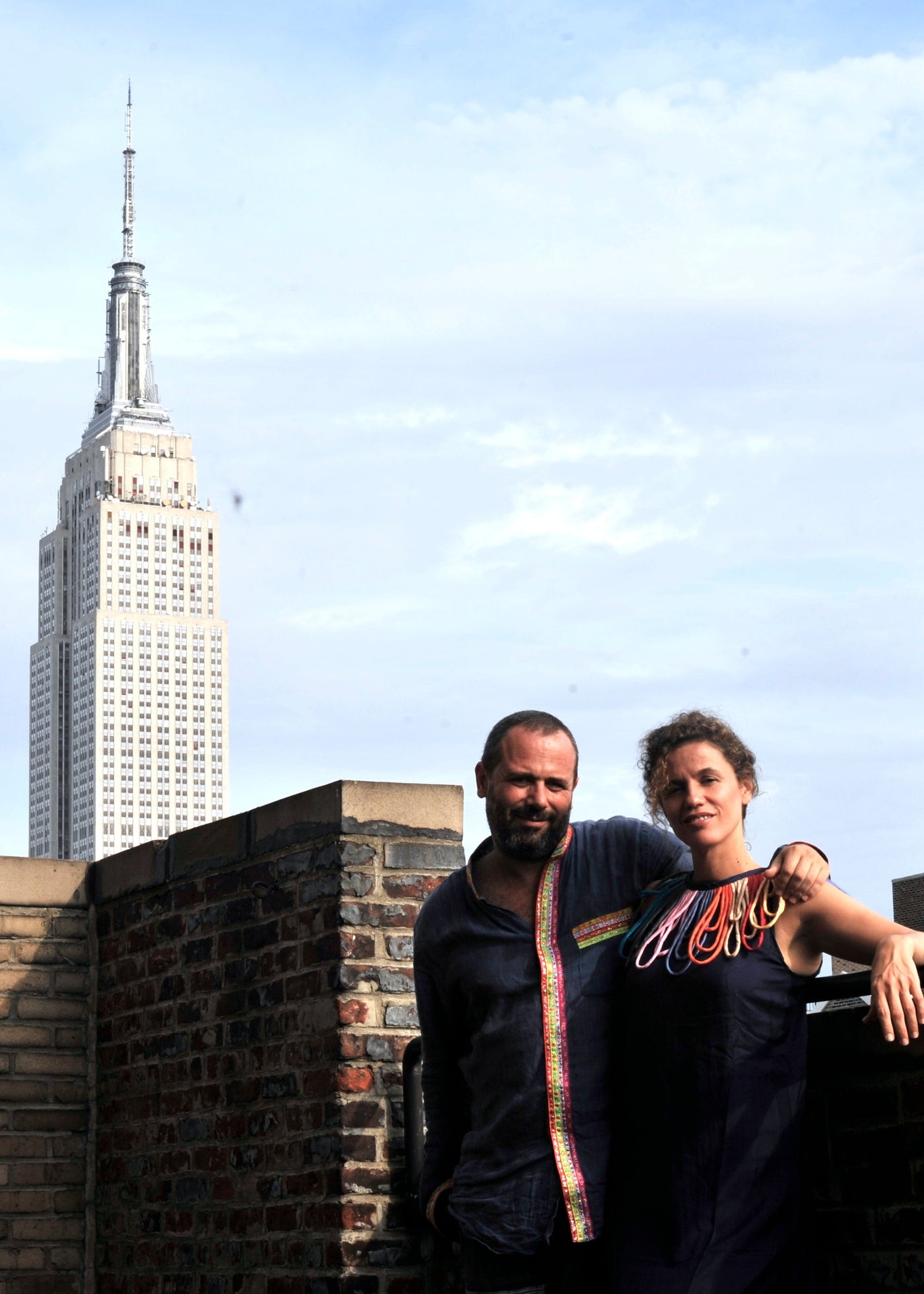
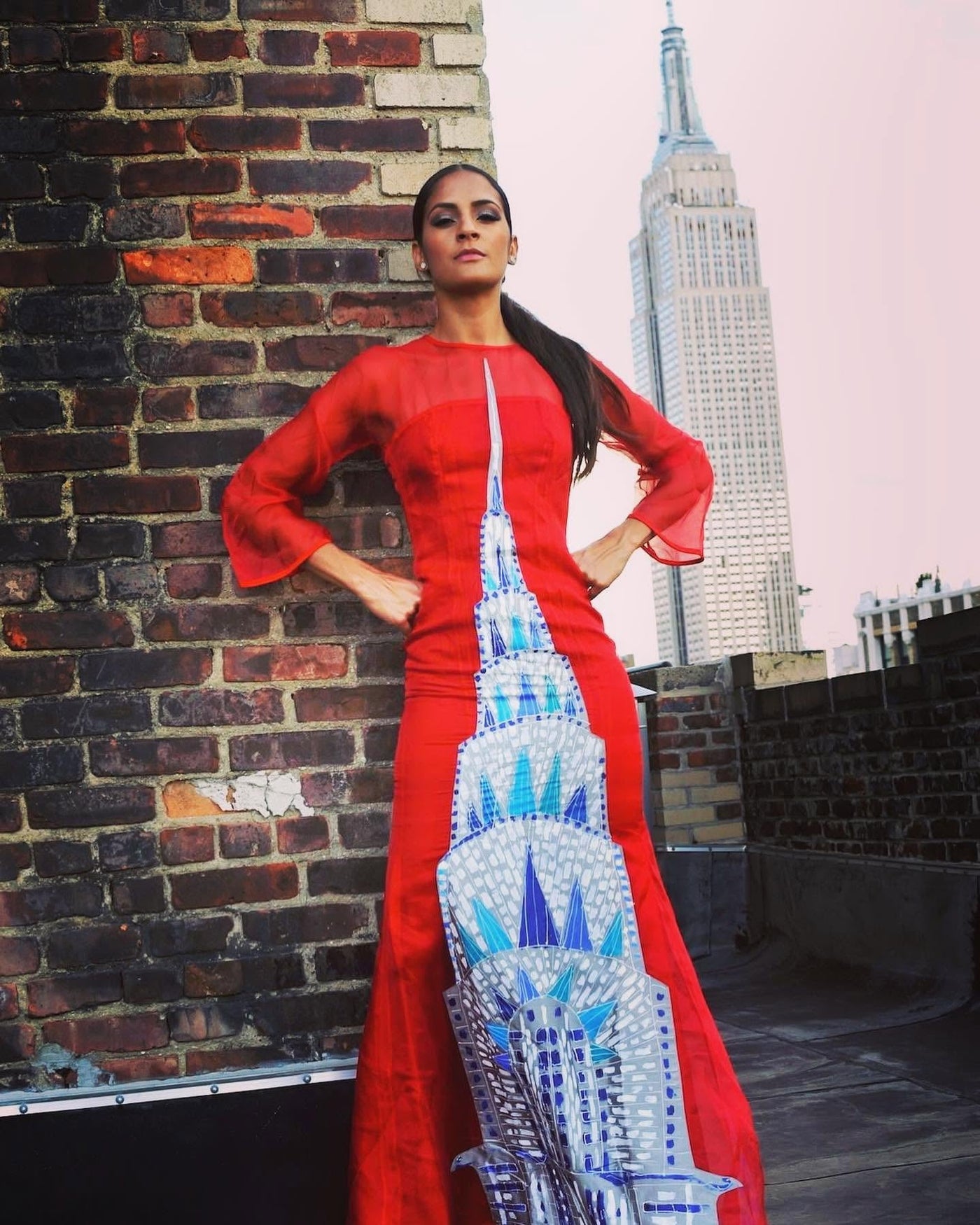
Following their series of shows on striking architectural runways, Chula takes its designs to the 63rd floor of the newly inaugurated One World Trade Center. For the occasion, Diego creates a collection inspired by American graphism, architecture and pop culture, bringing his distinctive visual language to New York.

New York City One World Trade Center, 2014
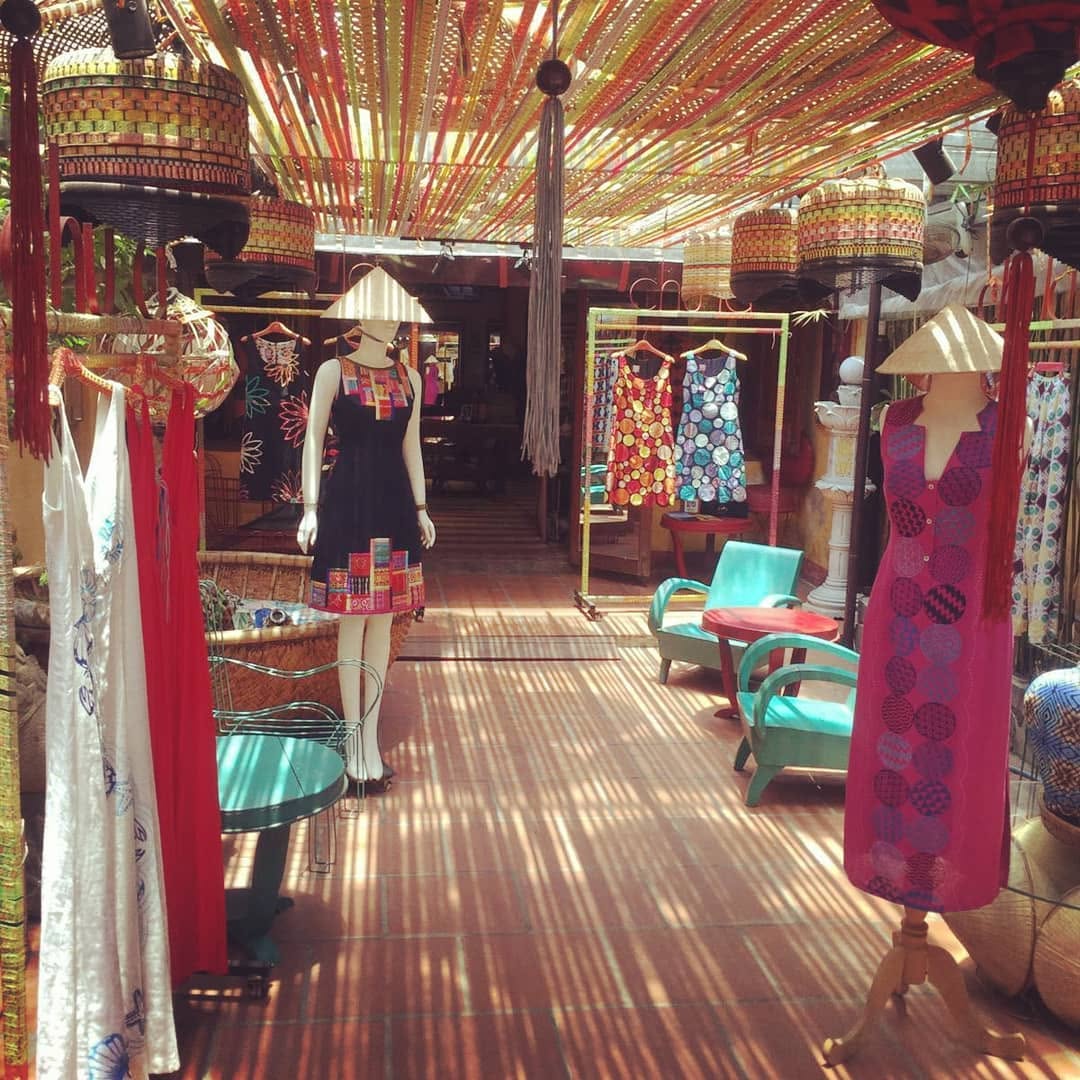
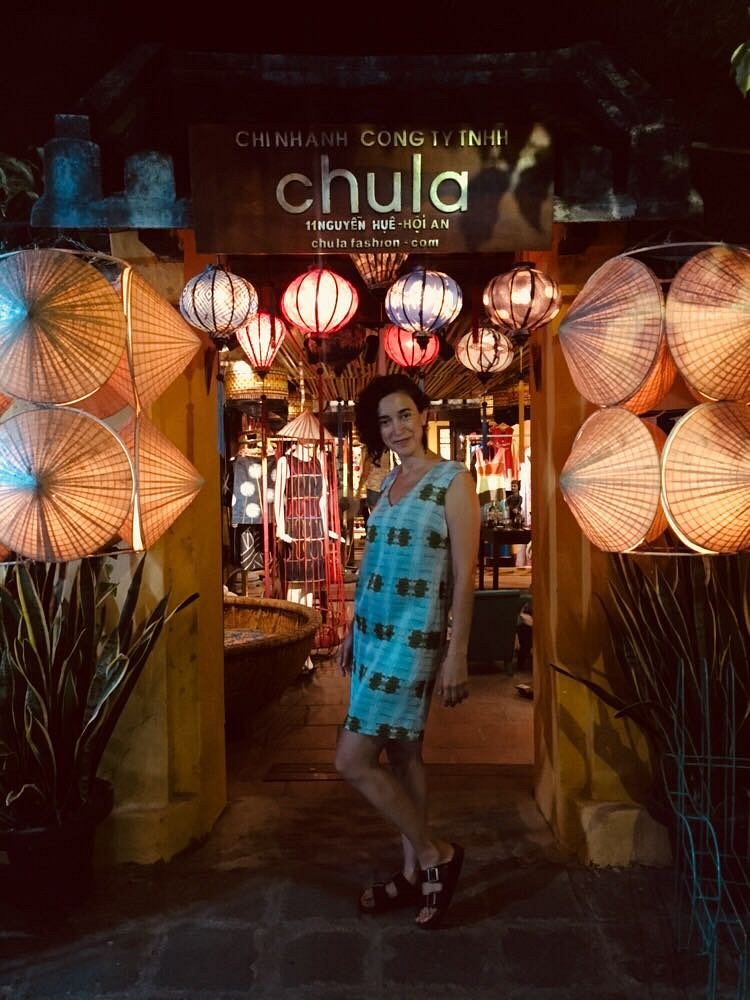
Back home, Chula puts down new roots beyond Hanoi, opening its first store in the World Heritage city of Hoi An, in Central Vietnam. Meanwhile, Diego continues to explore object and furniture design, drawing inspiration from Vietnamese everyday life, materials such as wood and iron, ethnic textiles and the creative reuse of familiar objects.
2015
Chula celebrates its 10 years anniversary with a love letter to Hanoi. Early in the year, Diego launches his collection Chula loves Hanoi inspired by the symbols of the city that they call home: the architectural symbols of Long Bien Bridge, or the Hanoi Flag Tower, but also the bustle streets, messy cables or kumquat trees.
A collaboration with the Vietnamese Ministry of Culture takes Chula in a tour to Rome, Berlin and New York and Washington DC to showcase contemporary Vietnamese creativity in international arenas.


The Trajan’s Market in Rome, the The summer takes Chula to Rome where the brand takes the iconic Trajan’s Market, showcasing a collection inspired by renaissance art and the Italian classics. The collection featured silk and taffeta contemporary Ao Dais in collaboration with the Italian fashion figure Stefano Dominella. To mark its 10th anniversary, Chula also opens a store in Saigon, Vietnam’s economic capital, and its third store in the country.
2022
Placeholder — replace with this year's story in the theme editor.
2023
Placeholder — replace with this year's story in the theme editor.
2024
Placeholder — replace with this year's story in the theme editor.
2025
Placeholder — replace with this year's story in the theme editor.
2026
Placeholder — replace with this year's story in the theme editor.